Radionuclide Therapy
Radionuclide Therapy
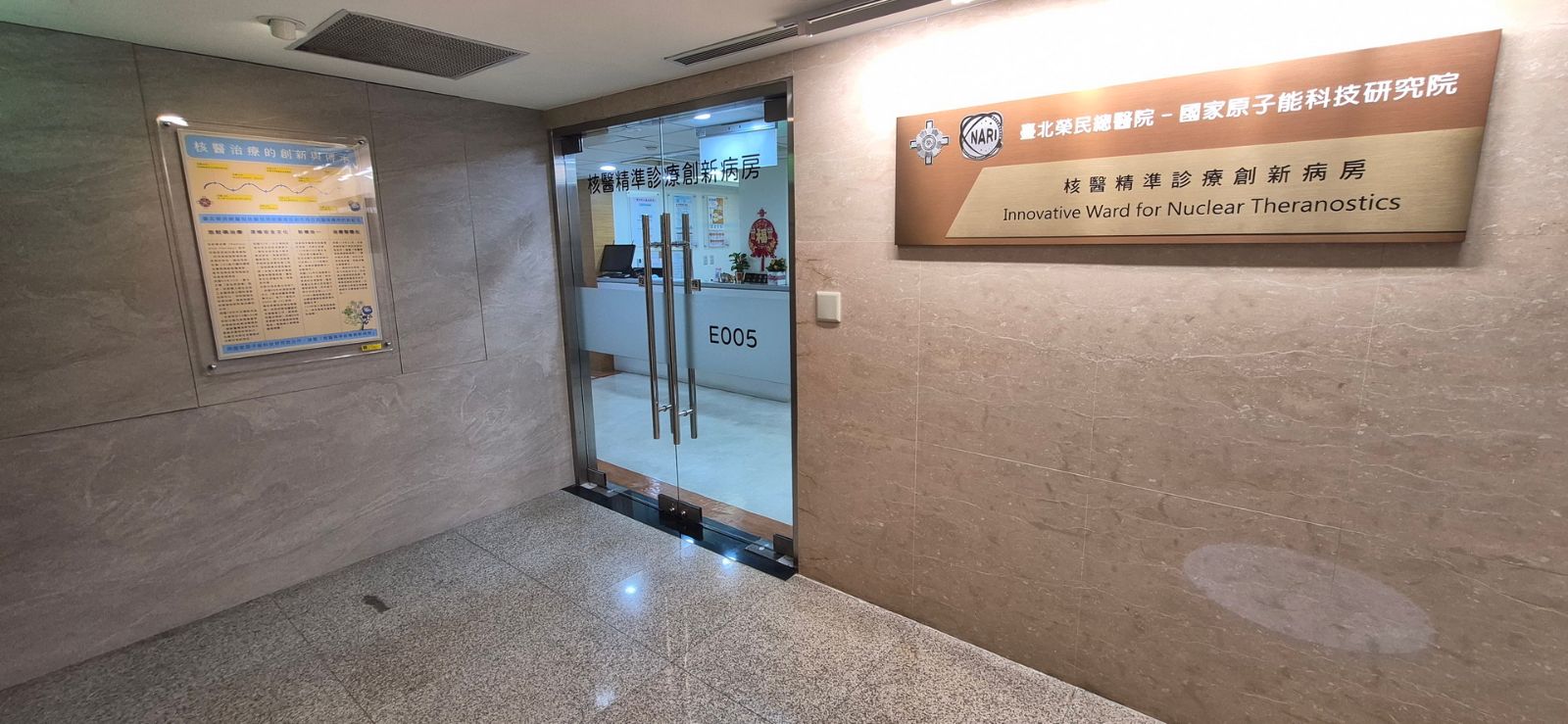
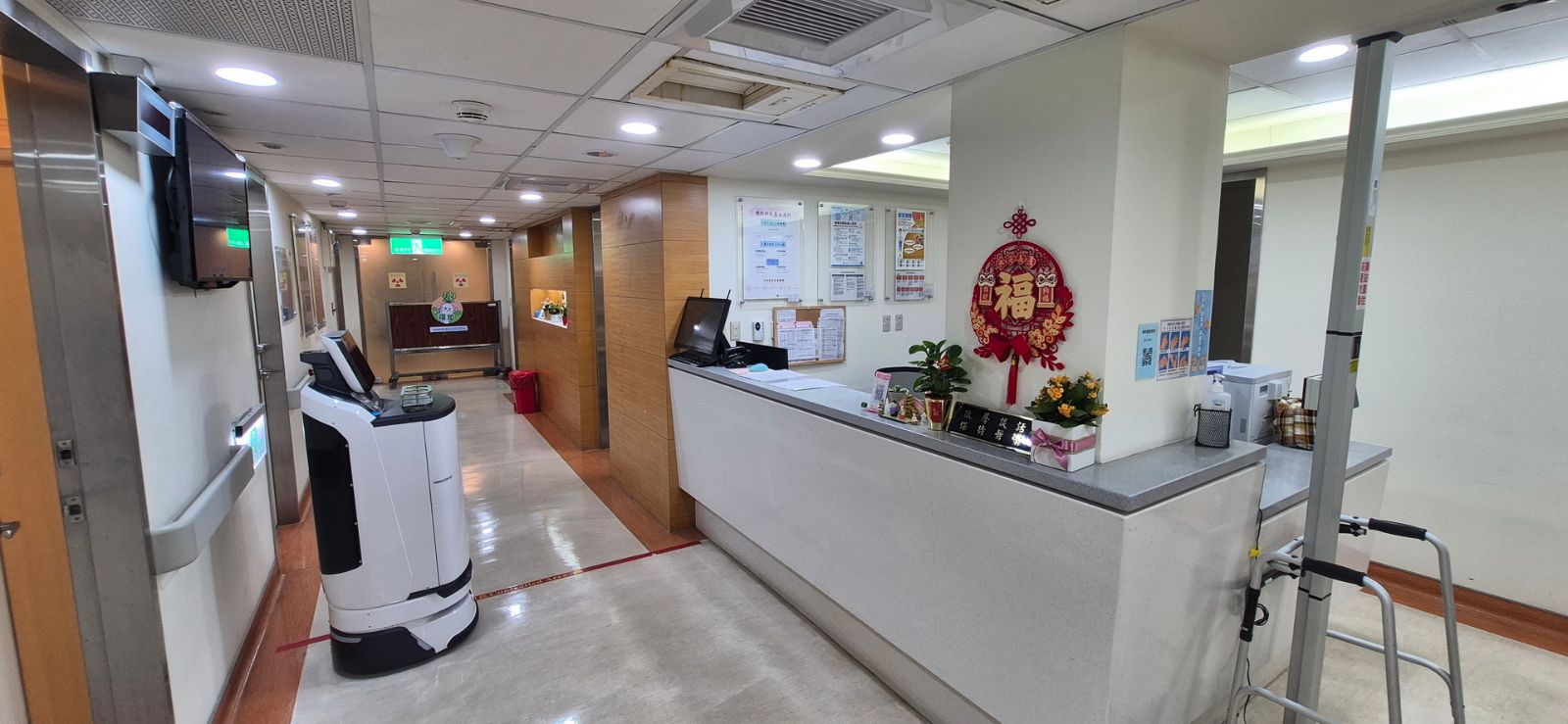
Radionuclide therapy (RNT), also known as molecular radiotherapy or unsealed source radiotherapy, is a medical treatment that uses radioactive substances called radiopharmaceuticals to target and treat specific medical conditions, particularly cancer. Radiopharmaceuticals can be introduced into the body through various means, such as injection or ingestion, and are designed to localize to specific organs, tissues, or cells based on their properties and administration routes.
.jpg)
Once the radiopharmaceuticals have localized to the targeted area, they emit radiation that interacts with the cells, particularly cancer cells, destroying them or inhibiting their growth. This makes radionuclide therapy a form of targeted therapy that leverages the physical, chemical, and biological properties of the radiopharmaceuticals to deliver radiation treatment to specific areas of the body.
.jpg)
Radionuclide therapy is often used to treat cancers that are difficult to treat with traditional therapies, such as thyroid cancer, lymphoma, and multiple myeloma. It can also be used to treat other medical conditions, such as hyperthyroidism.
While radionuclide therapy is a complex treatment that requires precise planning and execution, it offers several advantages over traditional therapies. For instance, because the radiopharmaceuticals only release radiation in the targeted area, they can minimize damage to healthy tissues and organs. However, the use of radioactive substances also requires special precautions to protect patients and healthcare workers during treatment.
This is a type of targeted therapy which uses the physical, chemical and biological properties of the radiopharmaceutical to target areas of the body for radiation treatment. The related diagnostic modality of nuclear medicine employs the same principles but uses different types or quantities of radiopharmaceuticals in order to image or analyse functional systems within the patient.
When the radionuclides are ligands (such as with Lutathera and Pluvicto), the technique is also known as radioligand therapy.
Last Modified: